From Activities to Action: Inside Climate Labs
Mar 17, 2026
Climate change affects our daily lives in many ways. Some are subtle; others are impossible to ignore. Poor air quality, increasing temperatures, and changes to weather patterns all have direct impacts on our quality of life. Everyone is impacted in some way, with some groups being more vulnerable than others.
At The Gaia Project, our goal is to prepare students for a future shaped by changes to our environment. One of the most effective ways to act on climate change is through education, equipping young people with knowledge while encouraging reflection and meaningful action.
Why does climate education matter to students and teachers?
Children are among the groups most affected by climate change, both physically and emotionally. As environmental awareness grows, many young people are experiencing eco-anxiety: a rising sense of worry, distress, and powerlessness about the future that can influence their mental well-being and daily lives. Climate change education plays a critical role in addressing these challenges.
For students, learning about climate change offers more than scientific knowledge; it empowers them to become future problem-solvers, develop healthy coping strategies, and see themselves as agents of positive change. Teachers benefit as well, gaining tools to navigate complex topics while fostering action- and solutions-based learning in the classroom. Together, climate education helps build resilience, understanding, and environmental leadership in the next generation.
Let’s explore Climate Labs!
Climate Labs is a dynamic, four-session program designed to immerse students in experiential climate learning. Through engaging presentations, interactive activities, and meaningful reflection, students explore the environmental impact of human actions and gain a deeper understanding of climate change.
- On day one, students are introduced to the fundamentals of climate change through a presentation that explains what it is and why it matters. The session also connects climate change to the program’s selected focus area (renewable energy, air quality, waste, or energy detectives) showing how each topic both influences and is affected by our changing climate.
- Day two builds on this foundation with a teacher-led activity that reinforces key concepts from the previous day, helping students strengthen their understanding and encouraging classroom discussion after the activity is finished.
- The third day is dedicated to hands-on learning with an activity led by the Gaia Program Coordinator. Tailored to the climate theme chosen by the teacher, this interactive experience allows students to apply what they’ve learned over the previous two days through hands-on experimentation and exploration! This is often a highlight of the program.
- On the final day, students reflect on their experiences and the knowledge they’ve gained. They are encouraged to turn learning into action by identifying ways to adopt more sustainable habits at home and at school, empowering them to make a positive impact beyond the classroom.
Four unique themes that put the “fun” in climate change FUNdamentals!
Climate Labs is offered in four distinct program options, each centered on a specific aspect of the environment that students interact with every day – often without even realizing it. By highlighting these familiar connections, each offering helps students better understand how climate change is impacting their daily lives directly.
Air Quality
Air quality is one of the lesser-discussed impacts of climate change, yet it has a significant effect on human health. As climate conditions shift, air pollution can worsen, leading to increased health risks—especially for children and young people who spend much of their day at school.
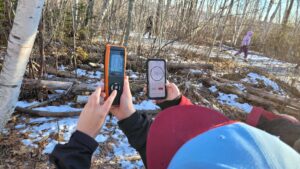
Climate Labs: Air Quality gives students a hands-on opportunity to explore this issue in a meaningful way. Using air quality monitors, students observe different areas around their school, make predictions about where air quality might be better or worse, and collect real-world data. They then compile their group’s findings into bar graphs, which encourages classroom discussion, critical thinking, and the development of potential actions that students can take. This interactive approach helps students connect climate science to their everyday environment while developing valuable data analysis skills.
Waste
Around the world, waste remains a major contributor to greenhouse gas emissions. With roughly two billion tonnes of garbage discarded globally each year, helping students understand the importance of proper recycling and waste reduction has never been more critical. Building environmental awareness at an early age empowers students to make informed, responsible choices that can have a lasting impact.
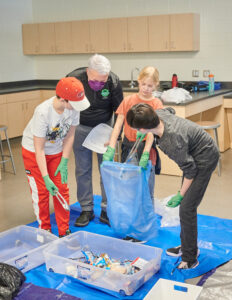
The Climate Labs: Waste program introduces students to waste management practices in New Brunswick, including what materials are accepted by their regional service commissions. Through hands-on learning, such as observing their school’s waste collection systems, conducting a waste audit, and participating in guided class discussions, students gain the knowledge they need to create meaningful action plans. These plans help improve waste diversion practices at school and often inspire students to carry those habits into their homes and communities, extending the impact well beyond the classroom.
Energy Detectives
Have you ever wondered about how much energy everyday items actually use? This is the question that we often start with when discussing energy consumption with students during the Energy Detectives program.
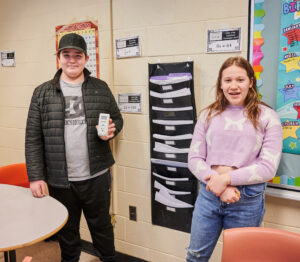
Throughout the program, students explore how much electricity is required to power the devices they use daily and learn where that electricity comes from. They also investigate real energy use within their own school by tracking how much electricity various devices consume over a 24-hour period. Using this collected data, students calculate the average annual cost of that energy, often providing their first glimpse into how a power bill works. The experience helps make energy consumption tangible, relatable, and relevant to everyday life.
Renewable Energy
As concerns grow over electricity shortages, increasing strain on aging power plants, and the environmental impact of traditional energy generation, renewable energy has become a central part of the conversation around addressing climate change. Communities and industries alike are looking for sustainable solutions that can meet energy demands while protecting the planet.
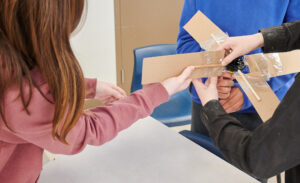
Climate Labs: Renewable Energy introduces students to the importance of exploring alternative ways to generate electricity through presentations and interactive, hands-on learning. One highlight of the program is a wind turbine–building activity, where students experiment with blade angles, design choices, and structure to see how each factor affects the amount of electricity produced. Through trial, testing, and redesign, students gain a deeper understanding of how engineering decisions influence real-world energy output.
“The Gaia Project’s Renewable Energy Climate Labs for Grade 6 students are absolutely fantastic. The lessons are hands-on, engaging, and genuinely fun, my students are always excited, curious, and fully involved. I have loved working with the Gaia Project over the years, and this program is one of my favourites. Their staff are knowledgeable, supportive, and a joy to collaborate with, making every experience smooth and meaningful. I can’t say enough good things about the Gaia Project, they consistently deliver meaningful, high-quality experiences for both teachers and students.”
-Jessica Curry, Grade 6 teacher, Nashwaaksis Middle School
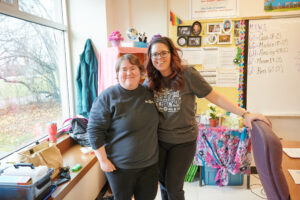
Pictured: Brittany MacNaughton (left), Program Coordinator, The Gaia Project, and Jessica Curry (right), Teacher, Nashwaaksis Middle School
The Goal: Climate change awareness and action planning
Climate Labs brings the impact of climate change into focus by showing how it affects our everyday lives. The goal of the program is to engage students through curriculum-based activities that integrate math, science, and critical thinking. These lessons help students understand that climate change is more than just rising temperatures or shifts in winter snowfall—it also shapes the choices we make, the resources we depend on, and the systems we interact with every day. Through clear, relatable, and hands-on learning experiences, students discover how these connections affect their lives and learn that their actions matter. Most importantly, they come to see that there are many meaningful ways to make a positive difference, often more than they initially realize.
Want to join us in the Lab?
This engaging program is available for grades 6–8 across New Brunswick and all resources are offered in both French and English. Simply fill out a request form to connect with a Gaia Program Coordinator and get started on inspiring your students to take meaningful environmental action!
Author: Brittany MacNaughton, Program Coordinator, The Gaia Project
Follow us on social for more stories, news and updates:
Facebook: www.facebook.com/gaiaproject
Instagram: @thegaiaproject_
LinkedIn: @thegaiaproject-projetgaia
TikTok: @thegaiaproject_