6 Winter-Friendly Eco-Actions that are Perfect for Celebrating Sustainability
Dec 16, 2025
Living sustainably isn’t just for summertime – there are plenty of impactful eco-actions that you can take with your family, students, classmates, or friends during the colder months! And we’ve put together a list: can you commit to trying one this winter?
1. Animal Tracking
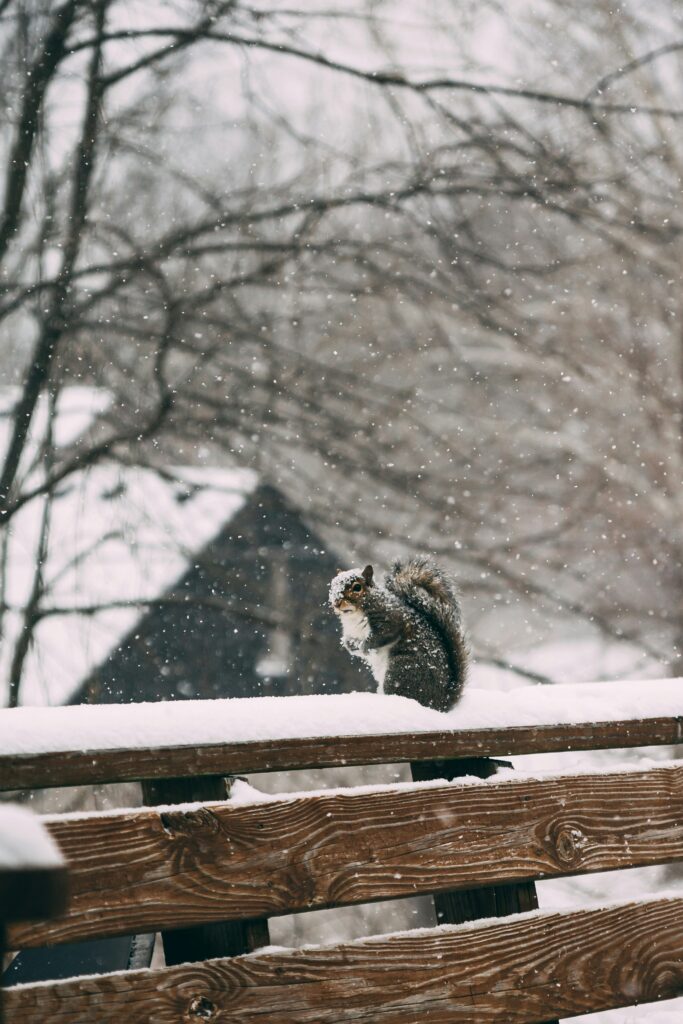
Okay, is this even an eco-action? Actually – yes! Connecting with nature and learning about your local ecosystem is critical to shaping a sustainable future that aligns with the unique characteristics of natural spaces. Start by identifying critical habitats and greenspaces in your community and take a winter walk, keeping an eye out for tracks left behind by resident animals. Whether you choose to walk in a forest, local park, or subdivision, I bet you can find footprints from at least three varieties of wildlife; birds, racoons, fox, deer, or squirrels – wat type of animals rely on that habitat, and what can we do to protect it?
2) Make a DIY Birdfeeder
Fun for little ones and adults alike, making DIY birdfeeders that support our feathered friends is an excellent way to support local birds at a time when food is scarce. There are a number of DIY bird feeders that you can choose from, however, a simple pinecone feeder is one of our favourites as it’s inexpensive, easy to make, and compostable!
Step 1: Collect pinecones from outside and brush off excess dirt.
Step 2: Tie a string around the top of the pinecone, leaving enough space so that you can tie it onto a tree afterwards.
Step 3: Spread a thin layer of unsweetened peanut butter (or Sunbutter) around your pinecone.
Step 4: Roll your pinecone into a bowl of birdseed (tip: smaller seeds stick better)! In New Brunswick seeds such as nyjer or thistle are favourites of local species including American Goldfinches and Pine Siskins, and black oil sunflower seeds are exceptionally nutritious for a variety of overwintering birds!
Step 5: Hang your birdfeeder from a tree branch, laundry line, or pole and enjoy the view!
3. Get Cozy with an Eco-book or Documentary
After you go animal tracking and make a DIY birdfeeder, why not cozy up with your favourite warm beverage and an environmental book (or flick, if that’s more your style)! Part of being a climate advocate is staying engaged in climate stories, whether it’s an issue being faced by a community, an innovative technology or emerging strategy, or a climate perspective from another culture. Staying informed and curious is going to help us better adapt to, and address, the climate challenges we face. So don’t feel guilty staying inside; grab your favourite blanket and bunker down!

4. Donate to a Shelter, Charitable Organization, or Winter Clothing Drive (or Start Your Own!)
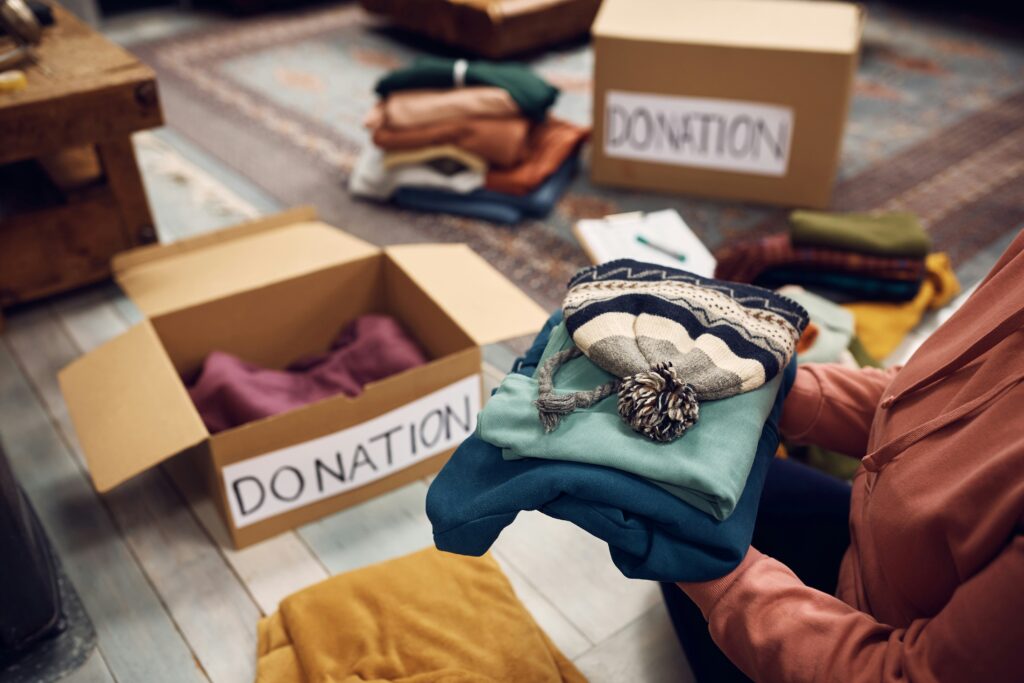
Give your gently used winter clothing a second life and help keep those in need warm this season. Donating clothing not only supports those in need—it also helps reduce textile waste that might otherwise end up in landfills. Supporting secondhand and reuse initiatives creates a tangible, immediate impact for both people and the planet
But beyond environmental benefits, these actions remind us of something bigger: caring for one another is integrated with caring for our climate.
How? Let’s explore:
Environmental issues disproportionately affect marginalized communities, and addressing the unique challenges that vulnerable groups face is essential to developing effective, equitable climate solutions. When we integrate diverse voices, perspectives, and lived experiences, we create a foundation for true sustainability. Without inclusion, we risk building climate “solutions” that work for some, but not all.
Inclusion doesn’t start at a policy table; it starts with us. Every small act of empathy, generosity, and awareness is a brick in the path toward a sustainable future – for everyone.
Interested in starting your own winter clothing drive at school? Our team is here to help! Check out our Climate Action Project (Climate Justice) program for grades 9-12.
5. Eat Local and Seasonal
There’s nothing cozier than a warm bowl of soup! Fortunately for us here in New Brunswick and across Canada, root vegetables and storage crops are some of our best local foods available throughout winter – perfect for making a good stew! Celebrate sustainability by exploring dishes that use vegetables like potatoes, garlic, squash, or cabbage. And for added protein, consider dried or canned beans or locally sourced meat. And be kind to yourself – if you can’t find New Brunswick-produced foods, shopping Canadian is still a great way to take climate action!

6. Make Your Home Energy Efficient
Do your energy bills spike in the winter? You’re not alone! With shorter days and colder nights, it’s no surprise that we tend to use more electricity from December-March. The good news is, there are a number of easy and impactful actions you can take to reduce your carbon footprint (and energy bill)!
– Flip your ceiling fan clockwise: Instead of cooling your home, this simple step can help redistribute warm air, pushing it down and helping to heat your room evenly.
– Close your blinds at night: Another easy habit to start, closing your blinds or curtains at night can actually help reduce lost heat and protect you from cold drafts, as it creates an added layer of insulation.
– Turn your thermostat down: Even one or two degrees can have a huge impact on your energy usage. So, turn down your thermostat, put on your favourite sweater, and get cozy!
– Check out SaveEnergyNB’s list of energy efficient habits: Looking for more great ideas? SaveEnergyNB is a great resource for energy-saving actions that you can implement any time of year!
Whether you are looking to take climate action at home or school, starting new eco-habits, projects, or activities are impactful. So, get excited, switch it up, and celebrate sustainability this winter!
Author: Katelyn Plant, Marketing & Communications Manager, The Gaia Project
References:
1. “Make Your Own Feeder.”Cornell Lab of Ornithology – K-12 Education, Cornell Lab of Ornithology, n.d.,www.birds.cornell.edu/k12/make-your-own-feeder/.
2. “Winter Bird Guide.”Scott’s Nursery Blog, Scott’s Nursery Ltd., ca. 2022,www.scottsnurseryonline.com/blogs/scotts-nursery-blog/winter-bird-guide.
3. “8 Energy Efficient Habits You Can Start This Year.”SaveEnergyNB, n.d.,www.saveenergynb.ca/en/education-and-tips/energy-efficiency-articles/8-energy-efficient-habits-you-can-start-this-year/.
4. “What’s in Season in the Maritimes.”Maritime Glutton, ca. 2019,www.maritimeglutton.com/whats-in-season-in-the-maritimes.
Follow us on social for more stories, news and updates:
Facebook: www.facebook.com/gaiaproject
Instagram: @thegaiaproject_
LinkedIn: @thegaiaproject-projetgaia
TikTok: @thegaiaproject_